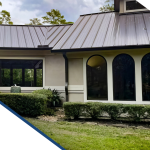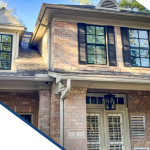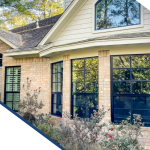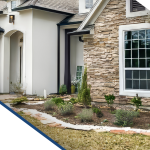
Choosing the right frame material ranks among the most important decisions in any window replacement project. Two options dominate the conversation: vinyl and wood. Each brings distinct strengths and limitations, and Houston’s climate amplifies the differences between them. This comparison of Vinyl Windows Houston vs Wood Windows gives homeowners the facts they need to select the material that matches their priorities, budget, and long-term expectations. Texas Remodel Team provides expert guidance on window replacement materials suited to the unique demands of the Houston environment.
Both vinyl and wood windows deliver solid performance when properly manufactured and installed. However, Houston’s combination of extreme heat, high humidity, intense UV radiation, and occasional hurricane-force winds creates conditions that favor one material over the other in several measurable categories. Understanding these differences before committing to a purchase prevents costly regret and ensures your vinyl windows Houston or wood window investment performs as expected for decades.
Durability in Houston’s Climate
Vinyl Windows
Vinyl windows Houston homeowners install resist every environmental challenge this region delivers. PVC-based vinyl frames absorb zero moisture, which means they never swell, warp, rot, or develop mold — problems that plague wood in humid environments. The material also resists UV degradation when manufacturers include titanium dioxide stabilizers in the compound, maintaining structural integrity and color stability for 20 to 30 years without intervention.
Furthermore, vinyl frames tolerate Houston’s temperature extremes without significant expansion or contraction. Quality multi-chamber profiles dissipate thermal stress across multiple internal walls, keeping the frame dimensionally stable and the seal intact even when exterior surface temperatures exceed 140 degrees on south-facing walls.
Wood Windows
Wood windows Houston homeowners occasionally choose offer natural beauty and traditional architectural character. However, wood faces serious challenges in this climate. Houston’s average annual humidity hovers near 75 percent, and summer months push that figure even higher. Wood absorbs this moisture continuously, which triggers a cycle of swelling and shrinking that loosens joints, degrades finishes, and eventually causes structural failure.
In addition, Houston’s termite population poses a persistent threat to wood window frames. Subterranean termites thrive in warm, moist environments — exactly the conditions Houston provides year-round. Without ongoing chemical treatment and regular inspection, wood frames in this region face a real risk of insect damage that compromises both appearance and function.
Maintenance Requirements
Maintenance represents one of the starkest differences between these two materials. Vinyl windows Houston products require virtually no maintenance beyond occasional cleaning with soap and water. The color runs through the entire material, so scratches blend invisibly and the frames never need painting or staining. Over a 25-year ownership period, this zero-maintenance characteristic saves homeowners hundreds of hours and thousands of dollars in materials and labor.
Wood windows demand regular attention to maintain their appearance and structural integrity. Exterior surfaces require repainting or re-staining every three to five years to protect against moisture, UV damage, and biological growth. Neglecting this schedule allows moisture to penetrate the finish, accelerating rot and decay. In Houston’s climate, the maintenance window shrinks because heat and humidity break down finishes faster than in drier regions. As discussed in How Much Can New Windows Reduce Your Energy Bills?, the total cost of ownership extends well beyond the purchase price.
Long-Term Maintenance Cost Comparison
Estimate $150 to $300 per window for exterior repainting or re-staining every four years on wood frames. For a home with 15 wood windows, that totals $2,250 to $4,500 per cycle — or $11,250 to $22,500 over a 20-year ownership period. Vinyl windows incur zero equivalent cost. When evaluating replacement windows options, this maintenance differential alone often tips the decision.
Energy Efficiency Comparison
Both vinyl and wood provide good thermal insulation, but they achieve it differently. Wood naturally insulates well because its cellular structure traps air. Vinyl achieves comparable insulation through multi-chamber profiles that create multiple air pockets within the frame. When paired with the same Low-E coated, argon-filled glass packages, both materials deliver similar U-factor and SHGC ratings.
However, vinyl maintains its insulating performance more consistently over time. Wood frames that absorb moisture lose some insulating capacity because water conducts heat more readily than air. A wood frame at Houston’s typical moisture levels insulates slightly less effectively than the same frame in a dry climate. Vinyl’s moisture imperviousness ensures consistent performance regardless of humidity conditions.
For homeowners focused on maximizing replacement windows energy performance, both materials perform well when new. The difference emerges over time as wood’s moisture absorption gradually erodes its thermal properties while vinyl maintains factory-level performance throughout its lifespan.
Aesthetics and Design Flexibility
Wood windows earn praise for their warm, natural appearance. The grain patterns, depth, and character of real wood appeal to homeowners seeking a traditional or craftsman aesthetic. Wood also accepts custom paint colors and stain finishes, offering unlimited color options that match any design vision.
Modern vinyl windows Houston products have closed much of the aesthetic gap. Manufacturers now offer vinyl frames with wood-grain textures, multiple color options (including dark exterior and lighter interior combinations), and architectural grid patterns that convincingly replicate traditional wood styling. While purists still detect the difference up close, most observers — including potential homebuyers — find the appearance of premium vinyl windows attractive and appropriate.
Notably, vinyl’s color consistency holds an advantage over wood in one important way: vinyl never peels, chips, or fades unevenly. Wood windows Houston exteriors exposed to direct sun develop uneven fading and finish failure that requires prompt attention. The maintenance-free color consistency of vinyl keeps your home looking polished without effort.
Cost Comparison
Vinyl windows cost significantly less than wood at the point of purchase. Expect to pay $300 to $800 per vinyl window (installed), compared to $600 to $1,500 or more per wood window. For a 15-window home, the initial cost difference ranges from $4,500 to $10,500 — a substantial gap that widens further when you add lifetime maintenance costs for wood.
Premium fiberglass-clad wood windows (which add a protective exterior layer over the wood core) narrow the maintenance gap somewhat but raise the purchase price to $900 to $2,000 per window. These hybrid products offer a compromise between wood’s interior appearance and vinyl’s exterior durability, though they still cost substantially more than all-vinyl alternatives.
Hurricane and Storm Performance
Both vinyl and wood frames accept impact-rated glass packages for hurricane protection. However, vinyl frames handle storm exposure aftermath better because they shed water completely. Wood frames exposed to wind-driven rain during a storm absorb moisture that lingers and promotes rot — particularly in areas where flashing or caulk sustained damage during the event.
After a hurricane or severe storm, vinyl windows Houston require only a visual inspection and cleaning. Wood windows demand a thorough moisture assessment, possible re-caulking, and finish touch-ups to prevent long-term damage from the exposure. In a hurricane-prone market like Houston, this resilience difference matters for both practical and financial reasons.
The Verdict for Houston Homeowners
Both materials serve legitimate purposes, but Houston’s climate strongly favors vinyl for most residential applications. The combination of zero maintenance, superior moisture resistance, comparable energy performance, lower cost, and storm resilience makes vinyl windows Houston the clear winner for homeowners who prioritize long-term value and hassle-free ownership.
Wood windows make sense in specific situations: historic homes requiring period-accurate materials, luxury custom builds where budget constraints do not apply, or homeowners who genuinely enjoy hands-on maintenance and value natural aesthetics above all other factors. For everyone else, vinyl delivers more performance per dollar over the life of the product.
Get Expert Guidance — Request Your Free Quote
Texas Remodel Team helps Houston homeowners evaluate their options and select the replacement windows material that best fits their home, goals, and budget. With over 25 years of local experience, the team understands how Houston’s environment affects every window product on the market — and recommends accordingly.
Visit texasremodelteam.com to request a free, no-obligation quote and compare your options side by side. You can also contact the team to schedule a consultation and get personalized recommendations for your home. Make an informed choice that protects your investment for decades to come.