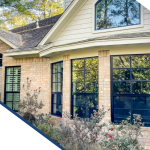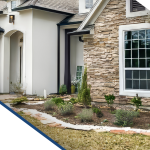
Sunlight fills your home with warmth and natural brightness, but it also carries invisible ultraviolet radiation that silently damages everything it touches. Hardwood floors fade and lose their finish. Furniture fabrics bleach unevenly. Artwork loses its vibrancy. Leather dries, cracks, and discolors. Over years of exposure, UV damage costs Houston homeowners thousands of dollars in replacement and refinishing — and most never connect the damage to their windows. Installing UV Blocking Windows for Houston Homes stops this deterioration at the source and protects your interior investments for decades. Texas Remodel Team delivers window replacement solutions with advanced UV protection designed for Houston’s intense sun exposure.
Houston receives approximately 2,600 hours of direct sunlight per year — well above the national average. That extended solar exposure compounds UV damage faster than in less sunny regions, meaning Houston interiors age prematurely when uncoated windows allow ultraviolet radiation to stream in unchecked. UV blocking windows equipped with Low-E coatings eliminate up to 99 percent of UV radiation while preserving the natural light your home needs. The result: bright, inviting rooms without the hidden cost of sun damage.
How UV Radiation Damages Your Home’s Interior
Ultraviolet light operates on wavelengths invisible to the human eye, but its effects show up clearly over time. UV-A and UV-B rays break down the molecular bonds in organic materials — a process called photodegradation. Every surface in your home that receives direct or reflected sunlight through unprotected windows undergoes this gradual breakdown.
Flooring Damage
Hardwood floors suffer some of the most visible UV damage. The finish yellows, darkens unevenly, or bleaches depending on the wood species and finish type. Areas under rugs or furniture retain their original color while exposed sections change dramatically — creating a patchwork appearance that only full refinishing can correct. Refinishing hardwood floors costs $3 to $8 per square foot, turning a large room into a $1,500 to $4,000 project that UV protection could have prevented entirely.
Laminate, vinyl plank, and even tile floors with colored grout also experience UV-related fading, though the timeframe extends longer than for natural wood. Low-E glass windows protect every flooring type simultaneously, preserving your original investment regardless of material.
Furniture and Upholstery
Fabric upholstery fades faster than any other interior material under UV exposure. A sofa positioned near an unprotected south-facing window can show visible color change within one to two years. Leather furniture dries out and cracks as UV breaks down the oils and dyes that keep the material supple. Even synthetic fabrics rated for “fade resistance” eventually succumb to prolonged UV bombardment.
Replacing a living room sofa costs $1,000 to $5,000. Re-upholstering dining chairs runs $200 to $600 each. These expenses recur throughout the life of your home when UV blocking windows are absent. Installing windows that block 99 percent of UV radiation extends the life of every piece of furniture in your home — saving far more than the cost of the windows themselves over time.
Artwork, Photographs, and Collectibles
Museums use UV-filtering glass to protect priceless art for exactly this reason: ultraviolet radiation fades pigments, yellows paper, and degrades photographic prints irreversibly. Your family photographs, original artwork, and collectibles deserve the same protection. Low-E glass windows provide museum-grade UV filtering throughout your entire home, preserving items of sentimental and financial value that no amount of money can replace once damaged. As highlighted in Why Houston Homeowners Choose Vinyl Replacement Windows, vinyl frames with Low-E glass offer this protection as standard on quality products.
The Health Dimension of UV Exposure
UV protection for your home extends beyond property preservation. Dermatologists increasingly recognize that cumulative indoor UV exposure contributes to skin health concerns. UV-A radiation — the wavelength most responsible for premature skin aging — passes through standard window glass with minimal reduction. People who work from home near sunny windows or spend significant time in sun-drenched rooms accumulate meaningful UV exposure over months and years.
UV blocking windows with Low-E coatings filter out these harmful wavelengths, reducing indoor UV exposure to negligible levels. This protection benefits every household member, including children, elderly family members, and pets that rest in sunny spots throughout the day.
How Low-E Coatings Block UV Without Darkening Rooms
The most common concern homeowners raise about UV-blocking windows involves light reduction. Many assume that blocking UV means blocking visible light too, resulting in darker rooms. Modern Low-E glass windows technology eliminates this trade-off entirely.
Spectrally selective Low-E coatings target specific wavelengths within the solar spectrum. They reflect ultraviolet radiation (below 380 nanometers) and infrared heat (above 700 nanometers) while transmitting the visible light wavelengths (380 to 700 nanometers) that illuminate your rooms. Premium coatings achieve 60 to 70 percent visible light transmission while blocking more than 99 percent of UV and 75 percent or more of infrared heat.
In practical terms, rooms with Low-E windows appear just as bright as rooms with standard clear glass — the difference lies entirely in the invisible wavelengths you neither see nor want. Your home stays flooded with natural light while the damaging and heat-producing wavelengths stay outside where they belong.
Comparing UV Protection Options
Homeowners sometimes consider aftermarket solutions like window film or solar shades as alternatives to fade protection windows. While these options provide some UV reduction, they fall short of Low-E replacement windows in several important ways:
Window film: Aftermarket films block UV radiation effectively but degrade over time, typically requiring replacement every 10 to 15 years. Films can void window manufacturer warranties, may create unsightly bubbling or peeling, and do not improve the thermal insulation or structural performance of the window itself.
Solar shades and blinds: These reduce UV exposure only when deployed, and they simultaneously block the natural light that makes rooms inviting. Homeowners must choose between protection and brightness — a compromise that Low-E glass eliminates completely.
Low-E replacement windows: Built-in UV blocking lasts the full 25- to 30-year lifespan of the window without degradation, replacement, or maintenance. The coating also reduces solar heat gain and improves insulation, delivering energy savings alongside fade protection. No aftermarket solution matches this integrated, permanent performance.
Measuring the Return on UV Protection
Quantifying the financial return of UV-blocking windows requires estimating the replacement and refinishing costs you avoid over the window’s lifespan. Consider a conservative scenario for a typical Houston home:
- Hardwood floor refinishing (two rooms, twice over 25 years): $6,000 to $16,000 avoided
- Furniture and upholstery replacement (extended lifespan by 50-100%): $5,000 to $15,000 saved
- Artwork and photograph preservation: Incalculable sentimental value, plus $1,000 to $5,000 in financial value
- Annual energy savings from solar heat rejection: $400 to $800 per year ($10,000 to $20,000 over 25 years)
The combined avoided costs easily reach $22,000 to $56,000 over the life of the windows — a return that vastly exceeds the cost of UV blocking windows for most Houston homes. This calculation does not even include insurance premium discounts for impact-rated products or the resale value increase that new windows provide.
Room-by-Room Priority Guide
Every window in your home benefits from UV protection, but some rooms deserve immediate attention based on their contents and sun exposure:
Living and family rooms: These spaces typically contain the most expensive furniture and receive heavy foot traffic on exposed flooring. South- and west-facing living rooms get the most afternoon sun and the highest UV loads.
Home offices: Extended occupancy near sunny windows means higher personal UV exposure. Protecting both the occupant and the electronics, books, and furnishings in the room makes fade protection windows a smart productivity investment.
Bedrooms with hardwood floors: Bed frames, nightstands, and rugs create UV shadow patterns that reveal dramatic fading differences over time. Early replacement prevents this uneven damage.
Dining rooms and kitchens: Table surfaces, chair upholstery, and cabinetry near windows all benefit from UV filtering that preserves their finish and color.
Protect Your Home Today — Request a Free Quote
Every day of unfiltered UV exposure adds another increment of invisible damage to your floors, furniture, and artwork. UV blocking windows with Low-E glass windows technology stop that damage at the glass surface, preserving your interior investments while flooding your home with natural light.
Texas Remodel Team brings over 25 years of Houston-area window expertise to every project. The team recommends coatings and glass packages specifically calibrated for Houston’s solar intensity, ensuring maximum fade protection and energy performance.
Visit texasremodelteam.com to request a free, no-obligation quote and start protecting your home from UV damage today. You can also contact the team directly to schedule a consultation. Your home’s interior deserves the same care you put into choosing it — give it the protection that keeps it looking its best for decades.