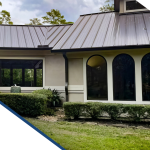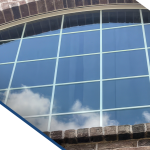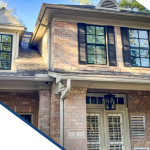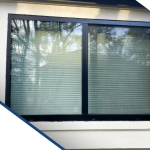
Energy costs rank among the top household expenses for Houston homeowners, and outdated windows play a bigger role in those costs than most people realize. One technology stands above the rest when it comes to blocking heat and reducing utility bills: Low-emissivity glass, commonly known as Low-E glass. Understanding Low-E Replacement Windows Benefits helps homeowners make informed decisions that lower cooling costs and improve daily comfort for years to come. Texas Remodel Team installs premium window replacement products featuring advanced Low-E coatings designed for Houston’s intense solar conditions.
Low-E technology has evolved significantly over the past decade. Today’s coatings deliver far greater heat rejection and UV protection than earlier versions while allowing maximum visible light into your home. For Houston homeowners who spend eight or more months each year running air conditioning, Low-E replacement windows deliver one of the highest returns on investment of any home improvement. The savings begin immediately after installation and compound every year throughout the window’s lifespan.
What Low-E Glass Actually Does
Low-E coatings consist of microscopically thin layers of metallic oxide deposited onto the glass surface during manufacturing. These invisible layers selectively filter the solar spectrum — blocking infrared heat and ultraviolet radiation while transmitting visible light with minimal reduction. In practical terms, your rooms stay bright and well-lit without the oven effect that uncoated glass creates during Houston summers.
The coating works through a principle called selective emissivity. Uncoated glass has a high emissivity rating, meaning it readily absorbs and re-emits radiant heat in both directions. Low-E coatings reduce that emissivity dramatically, reflecting radiant heat back toward its source. During summer, the coating reflects outdoor heat away from your home. During the mild Houston winter, it reflects indoor heat back inside. This dual-direction performance makes energy saving windows effective throughout the entire year.
Hard-Coat vs. Soft-Coat Low-E
Manufacturers produce two types of Low-E coatings. Hard-coat (or pyrolytic) Low-E applies during the glass manufacturing process and bonds permanently to the surface. Soft-coat (or sputtered) Low-E applies after manufacturing in a vacuum chamber and delivers significantly better performance. Soft-coat Low-E blocks more infrared heat, achieves lower SHGC ratings, and provides greater UV protection than hard-coat alternatives.
For Houston’s climate, soft-coat Low-E coatings offer the best performance. They achieve SHGC values below 0.25, which means they block more than 75 percent of solar heat gain. Reputable window manufacturers use multi-layer soft-coat Low-E systems that fine-tune the balance between heat rejection and visible light transmission — giving you maximum daylight with minimum heat.
How Low-E Windows Reduce Your Cooling Costs
Houston homeowners who upgrade to Low-E replacement windows typically see cooling cost reductions of 15 to 25 percent, depending on the number of windows replaced and the condition of the previous units. That savings range translates into $300 to $600 or more annually for an average-sized Houston home.
The mechanism behind these savings operates continuously and automatically. Every minute of every sunny day, Low-E coatings reject solar heat that would otherwise enter your home and require your air conditioner to remove. Over a single summer month, that rejected heat adds up to thousands of BTUs that your HVAC system never needs to process. Consequently, the system runs shorter cycles, consumes less electricity, and experiences less mechanical wear.
Moreover, energy saving windows maintain more consistent indoor temperatures throughout the day. Without Low-E protection, south- and west-facing rooms heat up dramatically as the sun tracks across the sky. With Low-E glass installed, those temperature swings flatten significantly, and every room in the house stays closer to your thermostat setting. As we highlighted in Best Replacement Windows for Houston’s Hot Climate, selecting the right glass package makes the biggest difference in overall window performance.
UV Protection for Your Home’s Interior
Ultraviolet radiation causes cumulative damage to everything it touches inside your home. Hardwood floors fade and lose their finish. Fabric on sofas and chairs bleaches unevenly. Artwork loses vibrancy. Leather cracks and dries out. Over years of exposure, UV damage costs homeowners thousands of dollars in furniture replacement, floor refinishing, and redecorating.
High-quality Low-E replacement windows block up to 99 percent of UV radiation without darkening your rooms. You enjoy the same natural light with virtually none of the damaging wavelengths. This protection preserves your interior investments silently and continuously from the day the new windows go in.
Additionally, UV exposure contributes to skin health concerns. Dermatologists note that prolonged indoor UV exposure through uncoated windows can contribute to cumulative skin damage over time. Low-E glass adds a layer of protection for every person in your home, especially in rooms with extensive glazing or skylights.
Low-E Glass and Houston’s Humidity
Houston’s humidity creates unique challenges for windows. Moisture in the air amplifies the discomfort caused by solar heat gain because humid air holds heat more effectively than dry air. When uncoated glass allows solar radiation to warm the interior air, that warmth combines with indoor humidity to create a muggy, uncomfortable environment that your air conditioner must fight against constantly.
Energy saving windows with Low-E coatings reduce this effect by preventing the solar heat from entering in the first place. Your air conditioner handles dehumidification more effectively when it processes less heat simultaneously. As a result, your home feels cooler and drier without adjusting the thermostat to an uncomfortably low setting.
Furthermore, Low-E coated double-pane windows reduce the temperature differential between the interior glass surface and the room air. This matters because a large temperature gap causes condensation to form on the glass — a problem that feeds mold growth around window frames. By keeping the interior glass surface closer to room temperature, Low-E coatings reduce condensation risk and protect your home from moisture-related damage.
How Window Glass Replacement Works
Many homeowners ask whether they can simply replace the glass in existing frames rather than installing entirely new windows. In some cases, window glass replacement using Low-E insulated glass units (IGUs) offers a viable and cost-effective option. A technician removes the old glass from the existing frame and installs a new Low-E coated, gas-filled IGU into the same opening.
However, this approach works best when the existing frames remain structurally sound, properly sealed, and operationally smooth. If the frames show damage, warping, or seal deterioration, glass-only replacement fails to address the full scope of the problem. In those situations, full window glass replacement with new frames delivers far better results and longer-lasting performance.
An experienced assessment determines which approach fits your specific situation. Texas Remodel Team inspects every window individually and recommends the option that maximizes your energy savings and long-term value.
Comparing Low-E to Tinted and Reflective Glass
Some homeowners consider tinted or reflective glass as alternatives to Low-E. While these options do reduce solar heat gain, they come with significant drawbacks that Low-E avoids.
Tinted glass darkens rooms and reduces visible light transmission substantially. A heavily tinted window may cut solar heat gain by 40 to 50 percent, but it also cuts daylight by a similar proportion. Your rooms feel darker, and you rely more on artificial lighting — which adds to your electric bill and diminishes the appeal of natural light.
Reflective glass creates a mirror-like appearance on the exterior that many homeowners and HOAs find unappealing. It performs well for commercial buildings but rarely suits residential aesthetics. In contrast, Low-E replacement windows look virtually identical to standard clear glass from both inside and outside, maintaining your home’s appearance while delivering superior thermal performance.
Start Saving With a Free Low-E Window Quote
Low-E glass technology represents one of the smartest investments a Houston homeowner can make. The combination of reduced cooling costs, UV protection, improved comfort, and condensation resistance delivers value that compounds over the 20- to 30-year lifespan of quality replacement windows.
Texas Remodel Team brings over 25 years of Houston-area expertise to every Low-E replacement windows project. The team selects coatings and glass packages calibrated specifically for this region’s solar intensity and recommends products that maximize your energy saving windows return.
Visit texasremodelteam.com to request a free quote and see how much you can save this summer. You can also contact the team directly to discuss your home’s specific needs and schedule a no-obligation consultation. Every day without Low-E windows costs you money — take control of your energy bills today.