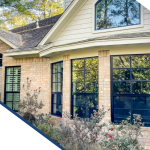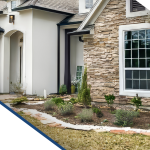
Your home’s siding does far more than protect against rain and wind — it forms a critical component of the thermal envelope that separates your conditioned interior from Houston’s extreme outdoor temperatures. Modern Energy Efficient Siding Houston upgrades reduce cooling costs, improve indoor comfort, and deliver measurable return on investment throughout the material’s decades-long service life. Our Outdoor page provides comprehensive guidance on maximizing your siding’s protective capabilities.
Houston homeowners spend an average of $2,400 to $3,600 annually on electricity, with air conditioning accounting for 40 to 60 percent of that total during the seven-month cooling season. Even modest improvements to your exterior’s thermal performance translate to hundreds of dollars in annual savings — making energy efficient siding Houston projects one of the most cost-effective energy upgrades available.
How Old Siding Wastes Energy
Deteriorating siding creates energy waste through three mechanisms: air infiltration through gaps and cracks, thermal conduction through un-insulated wall sections, and thermal bridging through structural framing that bypasses cavity insulation. These mechanisms work simultaneously, compounding energy losses that your HVAC system must overcome by running longer, harder, and more expensively.
Insulated siding Houston contractors evaluate energy waste by examining visible gaps, measuring air leakage rates, and assessing wall assembly R-values. Homes built before 2000 frequently show siding-related energy waste exceeding 20 percent of total cooling costs because original siding installations lacked the air-sealing and insulation integration that modern products provide.
Homeowners in The Woodlands, Spring, Katy, and Sugar Land with homes 20 or more years old typically see the most dramatic energy improvements from siding replacement because their original installations precede modern energy code requirements.
Insulated Siding: Continuous Thermal Protection
Insulated siding Houston products integrate rigid foam insulation directly behind or within the siding panel, creating a continuous thermal break that conventional siding cannot provide. This continuous insulation covers the entire wall surface — including the wood studs that conduct heat through cavity insulation in traditional wall assemblies.
We explored material performance in our guide on . Insulated siding products add R-2 to R-5 of continuous insulation, which reduces wall assembly heat transfer by 15 to 25 percent. For Houston homes running air conditioning seven months per year, this translates to monthly savings of $30 to $60 during peak summer — adding up to $200 to $400 annually.
Reduce cooling costs Texas homeowners seek becomes achievable through this continuous insulation approach because it addresses thermal bridging — a source of energy loss that adding more cavity insulation cannot fix. Even well-insulated homes with R-13 or R-15 wall cavities lose 15 to 25 percent of their wall’s thermal performance through wood studs that bypass the insulation entirely.
Air Sealing During Siding Replacement
Professional siding replacement provides the opportunity to dramatically improve your home’s air sealing — arguably the single most impactful energy upgrade available. When contractors remove old siding, they access the entire exterior wall surface and can seal gaps around windows, doors, plumbing penetrations, electrical entries, and framing joints that leak conditioned air.
Modern housewrap products installed during siding replacement provide both moisture protection and air barrier function, reducing air infiltration across the entire wall assembly. Sealing tape applied at all housewrap seams, around window and door rough openings, and at all penetrations creates a comprehensive air barrier that prevents the conditioned air leakage responsible for a significant portion of cooling costs.
integrates air sealing into every siding replacement project as a standard practice. Homeowners in Pearland, League City, Friendswood, and Humble consistently notice immediate comfort improvements after siding replacement — fewer hot spots, more even room temperatures, and reduced HVAC cycling.
Solar Reflectivity and Surface Temperature
Modern siding finishes incorporate solar-reflective pigment technology that reflects infrared radiation before it converts to heat on the siding surface. These reflective finishes reduce surface temperatures by 15 to 25 degrees compared to standard finishes of the same color, decreasing the heat load that reaches the wall assembly.
Energy efficient siding Houston installations using solar-reflective finishes benefit most on south-facing and west-facing walls that receive direct afternoon sun. The temperature reduction at the siding surface translates to lower wall cavity temperatures, reduced cooling loads, and less thermal stress on interior finishes. Homeowners in Tomball, Magnolia, Conroe, and Kingwood with large sun-exposed wall areas gain the most significant benefit from reflective finish technology.
Measuring Your Energy Savings
Track your energy savings by comparing monthly electricity usage before and after siding replacement, adjusting for weather differences between comparison periods. Most Houston homeowners measure 10 to 20 percent reductions in summer cooling costs after insulated siding installation with proper air sealing — savings that continue for the 25 to 50 year life of the siding.
Some Houston utility providers offer rebates or incentives for energy-efficient home improvements, including insulated siding installations that demonstrably reduce energy consumption. Check with your local utility before starting your project to capture any available incentives that further improve your return on investment.
Return on Investment: Energy Savings Over Time
At current Houston electricity rates, a home saving $300 annually from energy-efficient siding recovers $9,000 over a 30-year siding lifespan — and electricity rates historically increase 2 to 3 percent annually, meaning actual cumulative savings will significantly exceed this projection. Combined with improved comfort, reduced HVAC wear, and increased home value, insulated siding Houston installations deliver compelling total return.
Federal and state energy efficiency tax credits and utility rebate programs can further offset the cost of comprehensive energy improvements completed alongside siding replacement. Current incentive programs reward homeowners who invest in qualified insulation, air sealing, and energy-efficient building envelope upgrades — making 2026 an especially favorable year for whole-house energy projects.
Texas Remodel Team evaluates whole-house energy performance during every siding consultation, identifying complementary improvements that maximize return on your exterior investment. This systems-thinking approach ensures your siding project delivers the broadest possible benefit rather than addressing only the most visible exterior layer while leaving hidden energy waste unresolved.
Smart Houston homeowners coordinate siding replacement with attic insulation upgrades, window replacements, and HVAC tune-ups to achieve maximum whole-house energy performance improvement in a single project cycle. The combined effect of eliminating thermal bridging, sealing air leaks, upgrading insulation, and installing reflective-finish siding can reduce total energy consumption by 20 to 35 percent — transforming both comfort and monthly utility costs.
Siding replacement creates the ideal opportunity to address multiple energy efficiency improvements simultaneously. When contractors remove old siding, they access the entire exterior wall surface — enabling insulation upgrades, air sealing improvements, window flashing corrections, and moisture barrier installation that would require separate, costly projects if addressed independently. This comprehensive approach delivers compounding energy savings that exceed what any single improvement achieves alone.
Combining Siding Upgrades With Other Energy Improvements
Houston homeowners who have completed energy-efficient siding installations consistently report that the comfort improvement matters as much as the cost savings. Rooms that previously required supplemental fans or portable cooling units reach comfortable temperatures at normal thermostat settings. Hot spots near exterior walls disappear. Temperature consistency from room to room improves noticeably. These comfort benefits improve daily quality of life in ways that monthly utility savings alone cannot fully capture.
Frequently Asked Questions
How much can energy-efficient siding reduce my electric bill?
Most Houston homeowners see 10 to 20 percent reductions in summer cooling costs after insulated siding installation with proper air sealing. Annual savings typically range from $200 to $500 depending on home size and current insulation levels.
Does insulated siding replace wall insulation?
No. Insulated siding supplements existing wall insulation by adding continuous exterior insulation that addresses thermal bridging through wall studs. Both cavity insulation and continuous exterior insulation work together for maximum thermal performance.
What R-value does insulated siding add?
Insulated siding products typically add R-2 to R-5 of continuous insulation. While these numbers may seem modest, continuous insulation eliminates thermal bridging losses that reduce effective wall R-value by 15 to 25 percent in conventional construction.
Is energy-efficient siding worth the extra cost?
Yes for Houston homeowners. The insulated siding premium typically pays for itself within five to eight years through energy savings alone. Additional benefits including improved comfort, reduced HVAC wear, and increased home value further strengthen the value proposition.
Can I get utility rebates for energy-efficient siding?
Some Houston-area utility providers offer rebates for verified energy efficiency improvements. Check with your utility provider before starting your project to identify any available incentive programs.
Upgrade to Energy Efficient Siding With Texas Remodel Team
Ready to reduce cooling costs Texas homeowners face every summer with modern, energy-efficient siding? for a free energy assessment and siding consultation. We serve homeowners throughout Houston, The Woodlands, Spring, Cypress, Katy, Sugar Land, Pearland, and all surrounding communities. Visit our for current energy efficient siding Houston promotions.