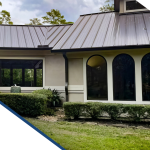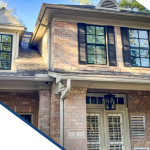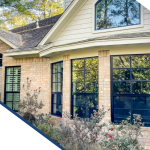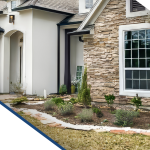
Spring in Houston brings a potent mix of thunderstorms, humidity spikes, and temperature swings that test every inch of your home’s exterior. Homeowners researching Best Houston Siding for Spring can explore comprehensive exterior remodeling solutions in our . Choosing the right siding replacement Houston project before the season shifts into full gear protects your home from moisture damage, wind-driven rain, and the relentless cycle of expansion and contraction that deteriorates older materials.
The wrong siding material leaves your home vulnerable during the very months Houston weather hits hardest. The right material keeps moisture out, maintains its appearance through seasonal storms, and reduces long-term maintenance costs. Understanding which materials perform best during spring helps Houston homeowners make confident, informed decisions that deliver lasting protection and curb appeal.
Why Spring Weather Demands Durable Siding
Houston’s spring season delivers average rainfall of four to five inches per month, coupled with humidity levels that routinely exceed 80 percent during morning hours. These conditions create sustained moisture exposure that accelerates deterioration in siding materials not engineered for subtropical climates. Older vinyl siding warps under temperature fluctuations, wood siding absorbs moisture and breeds mold, and aluminum siding dents under hail impact.
Siding replacement Houston homeowners schedule during spring addresses these vulnerabilities before summer’s even more intense heat and hurricane season compound the damage. Homes in The Woodlands, Spring, and Cypress experience particularly high moisture loads because of the dense tree canopy and lower elevations that trap humid air against exterior surfaces.
Additionally, spring storms frequently bring wind gusts exceeding 60 miles per hour along the Gulf Coast corridor. Weather resistant siding Texas homes require must withstand these wind loads without loosening, cracking, or allowing wind-driven rain to penetrate behind the siding plane. Materials rated for high-wind zones provide the structural integrity Houston’s spring storms demand.
Fiber Cement: Houston’s Top Spring Performer
Fiber cement siding Houston contractors recommend most frequently for spring weather performance combines Portland cement, sand, and cellulose fibers into panels that resist moisture, impact, fire, and insect damage. James Hardie fiber cement siding — the most widely installed brand in the Houston market — carries HZ10 certification specifically engineered for hot, humid climates like Southeast Texas.
Fiber cement does not absorb moisture the way wood does, eliminating the swelling, warping, and rot that plague traditional siding materials during Houston’s wet spring months. The material’s dimensional stability means panels maintain tight joints and clean lines regardless of how many storm cycles they endure. Homeowners in Katy, Sugar Land, and Pearland who install fiber cement siding consistently report zero moisture-related maintenance issues years after installation.
The material also accepts factory-applied color finishes that resist fading and peeling far longer than field-painted alternatives. This baked-on finish withstands Houston’s intense UV exposure and driving rain without requiring repainting for 15 to 20 years under normal conditions.
Engineered Wood Siding for Spring Resilience
Engineered wood siding products like LP SmartSide use treated wood strands bonded with resins and zinc borate to create panels that deliver the appearance of natural wood with significantly improved moisture and insect resistance. These products perform well during Houston’s spring season because their resin-saturated composition prevents water absorption at the cellular level.
Weather resistant siding Texas homeowners increasingly choose engineered wood because it combines aesthetic warmth with practical durability. The zinc borate treatment provides permanent protection against termites and fungal decay — two persistent threats in Houston’s warm, moist spring environment. Homes in Tomball, Magnolia, and Conroe surrounded by wooded lots benefit particularly from this built-in pest resistance.
Engineered wood siding installs faster than fiber cement because the panels weigh less and cut more easily with standard carpentry tools. This installation speed advantage means your home spends less time exposed during the replacement process — an important consideration when spring storms can arrive with little warning.
Vinyl Siding: Affordable but Climate-Dependent
Standard vinyl siding remains the most affordable option for Houston homeowners, but its performance during spring weather requires careful product selection. Budget vinyl panels can warp, buckle, and fade under Houston’s temperature extremes, and lower-gauge products may crack during hail events common in spring thunderstorms.
However, premium insulated vinyl siding products from manufacturers like CertainTeed and Alside address many of these limitations. Insulated vinyl panels feature rigid foam backing that improves impact resistance, reduces thermal expansion, and adds meaningful R-value to your exterior walls. helps homeowners evaluate whether premium vinyl delivers adequate performance for their specific exposure and budget requirements.
For homes in Humble, Kingwood, and League City where budgets favor vinyl, selecting products rated for wind speeds of 130 mph or higher ensures spring storm performance comparable to more expensive materials. Proper installation with manufacturer-specified fastener patterns and overlap dimensions maximizes vinyl’s weather resistance during Houston’s stormiest months.
Metal Siding: Modern Protection Against Spring Elements
Steel and aluminum siding options have evolved significantly from the corrugated panels of decades past. Modern metal siding systems feature interlocking panels with concealed fasteners, factory-applied finishes, and foam insulation cores that deliver contemporary aesthetics alongside exceptional weather performance.
Metal siding resists moisture penetration completely — water cannot absorb into steel or aluminum the way it does with wood or fiber-based materials. This imperviousness makes metal siding exceptionally well-suited for Houston’s spring downpours and sustained humidity. Homeowners in Friendswood and League City near the coast particularly value metal siding’s corrosion-resistant coatings that stand up to salt-air exposure during spring’s onshore weather patterns.
Choosing the Right Material for Your Houston Home
Factors That Matter Most in Spring
Evaluate siding materials against five spring-specific performance criteria: moisture resistance, wind load rating, impact resistance, thermal stability, and maintenance requirements. Fiber cement siding Houston products excel across all five criteria, making them the most reliable choice for comprehensive spring weather protection. Engineered wood ranks closely behind, with advantages in installation speed and natural aesthetics.
Your home’s specific exposure matters as much as the material itself. South-facing and west-facing walls receive the most intense weather exposure during spring storms that typically approach from the south and southwest. Prioritize highest-performance materials on these exposures if budget requires mixing materials across different elevations.
Selecting materials during spring allows you to evaluate samples under actual Houston lighting conditions before committing. The warm, golden spring sunlight reveals how siding colors and textures appear under real-world conditions, preventing the color-matching disappointments that occur when selections happen under artificial showroom lighting. Homeowners in Conroe, Kingwood, and League City appreciate this advantage during their spring renovation planning process.
Houston homeowners evaluating siding materials during spring should consider how each option performs across the full annual weather cycle that follows. Fiber cement delivers maximum durability and minimal expansion across seasonal temperature swings. Vinyl offers budget-friendly installation but requires careful color selection to avoid heat distortion on south-facing walls during summer. Engineered wood provides natural warmth and beauty but demands diligent maintenance schedules to prevent moisture damage during Houston’s humid months.
Comparing Spring Siding Materials for Houston
Spring installation also allows your contractor to complete a thorough post-winter damage assessment of underlying wall sheathing and framing before installing new siding. Winter freeze events occasionally cause hidden moisture damage that becomes apparent only when old siding panels come off. Discovering and repairing these issues during the controlled spring installation timeline prevents them from becoming expensive structural problems hidden behind brand-new siding.
Frequently Asked Questions
What siding material handles Houston spring storms best?
Fiber cement siding delivers the strongest overall performance during Houston spring storms, combining moisture resistance, wind load capacity, and impact resistance in a single material. James Hardie HZ10 products carry specific certifications for hot, humid Gulf Coast climates.
How long does spring siding replacement take?
Most whole-home siding replacement projects complete within three to seven days depending on home size, material selection, and weather conditions. Texas Remodel Team schedules installations around forecast windows to minimize weather-related delays during spring.
Can I install siding during Houston’s rainy spring season?
Yes. Professional siding contractors work around rain events and use weather barriers to protect your home during installation. However, scheduling during drier forecast windows optimizes installation quality and speed.
Does spring siding replacement disrupt my daily routine?
Siding replacement involves exterior work that produces moderate noise but typically does not require you to leave your home. Texas Remodel Team’s crews work efficiently and keep work areas organized throughout the process.
Should I wait until after spring storm season to replace siding?
Waiting allows existing damage to worsen during the very storms your new siding would protect against. Replacing before or during early spring ensures protection throughout the entire storm season and into summer.
Protect Your Houston Home This Spring With Texas Remodel Team
Ready to upgrade your Houston home with durable, spring-ready siding? to schedule your free consultation and discover which siding material delivers the best protection for your home’s specific needs. We serve homeowners throughout Houston, The Woodlands, Spring, Cypress, Katy, Sugar Land, Pearland, and all surrounding communities. Visit our for available promotions on siding replacement Houston projects.